Ever wondered how much does gaming cost when you factor in everything from hardware to those tempting in-game purchases? Gaming is a fantastic escape, a way to connect with friends, and even a skill-building hobby, especially for the millions of US gamers averaging 10+ hours a week. But for busy adults balancing jobs, families, and life, the financial aspect can seem daunting and unclear. This comprehensive guide breaks down all the potential expenses, from the initial setup of a PC or console to recurring subscriptions, new game releases, and the ever-present allure of microtransactions. We'll explore cost-effective strategies, budget-friendly hardware upgrades, and smart spending habits so you can optimize your gaming performance and maximize your enjoyment without breaking the bank. Discover how to stay current with 2026 trends, find value for money, and avoid common pain points, ensuring your gaming life is both thrilling and affordable.
Related gamesQ: What is the initial investment for a modern gaming setup?
A: A modern gaming setup in 2026 typically starts from 500 USD for an entry-level console up to 1500 USD or more for a mid-range PC. This includes the primary hardware but often excludes games and accessories. Opting for used components or sale items can significantly reduce this upfront cost.
Q: How much do new video games cost on average?
A: New AAA video games generally cost between 60 to 70 USD at launch for consoles and PC. However, many excellent titles can be found on sale for 20 to 40 USD, especially a few months post-release. Free-to-play games are also abundant, offering a zero-cost entry point and a great way to try new experiences.
Q: Are gaming subscription services like Xbox Game Pass truly cost-effective?
A: Yes, gaming subscription services like Xbox Game Pass, PlayStation Plus, and PC Game Pass can be highly cost-effective, especially for gamers who play a variety of titles and enjoy exploring new games. For a monthly fee, usually around 10 to 17 USD, you gain access to a vast library of games, saving hundreds compared to individual purchases.
Q: What are the main recurring costs associated with gaming?
A: The primary recurring costs in gaming include internet service (usually 50 to 80 USD monthly) and optional gaming subscription services like Game Pass or PS Plus (10 to 17 USD monthly). Additionally, in-game purchases and battle passes for free-to-play titles can add to the monthly expenditure, depending on individual spending habits.
Q: How much should I budget for gaming accessories annually?
A: For essential gaming accessories such as a comfortable headset, a responsive mouse, and a good keyboard, budgeting 100 to 200 USD annually is a reasonable starting point. This allows for upgrades or replacements as needed without breaking the bank. Higher-end peripherals can exceed this, but are often not essential for general enjoyment.
Q: Can I game on my phone or tablet without significant costs?
A: Absolutely. Mobile gaming offers a fantastic low-cost entry point with many excellent free-to-play titles. While some games have in-app purchases or ads, you can enjoy a full gaming experience without spending much if you choose carefully. The main cost is your existing device and internet connection, making it highly accessible.
Q: What's the best way for busy adults to manage gaming expenses?
A: For busy adults balancing gaming with life, setting a clear monthly gaming budget is key. Prioritize games you genuinely want to play, utilize subscription services for variety, and take advantage of sales. Remember that your time is valuable, so choose games that offer maximum enjoyment for your limited play sessions, making every dollar count.
For many of us, gaming isn't just a hobby; it's a vital escape, a social hub, and a rewarding challenge. In the US, a staggering 87% of gamers play regularly, often dedicating 10 or more hours a week to their favorite digital worlds. But as we navigate our busy lives, balancing work, family, and personal commitments, one question often arises: how much does gaming *really* cost? It's not always just the price tag on a new game or console; there are hidden expenses, tempting upgrades, and recurring fees that can quickly add up. This guide is for the savvy gamer, the one who wants to optimize their experience, build skills, and stay connected without feeling the financial pinch. We're here to demystify gaming costs in 2026, offering practical, no-nonsense advice to help you spend smart, play more, and truly enjoy your passion.
You're not alone if you've ever felt overwhelmed by the sheer number of options or confused about where your gaming budget should go. From performance woes to deciding between the latest AAA titles and a growing library of free-to-play gems, we'll tackle the real-world pain points. This article will walk you through every aspect of gaming expenditure, helping you make informed decisions, stretch your dollars further, and ensure your gaming experience remains a source of relaxation and fun, not financial stress. Let's dive in and unlock the secrets to affordable, high-quality gaming in the modern era.
What are the main components of gaming costs in 2026?
Understanding the overall cost of gaming in 2026 means looking at several key areas beyond just the games themselves. The primary costs typically fall into four categories: hardware, software, services, and peripherals. Hardware is your initial investment, whether it's a powerful gaming PC, a dedicated console like a PlayStation 5 or Xbox Series X, or even a robust mobile device capable of modern gaming. Software refers to the games you buy or access. Services encompass online multiplayer subscriptions and game streaming platforms. Lastly, peripherals are the essential accessories that enhance your experience, such as headsets, controllers, and specialized keyboards.
For the average US gamer, who might be around 36 years old and balancing a demanding job with family life, these categories aren't always a one-time expense. Hardware might need upgrading every few years, new games are constantly releasing, and subscription services offer ongoing value. Being mindful of these components helps in creating a realistic budget.
How much does a new gaming PC or console truly cost?
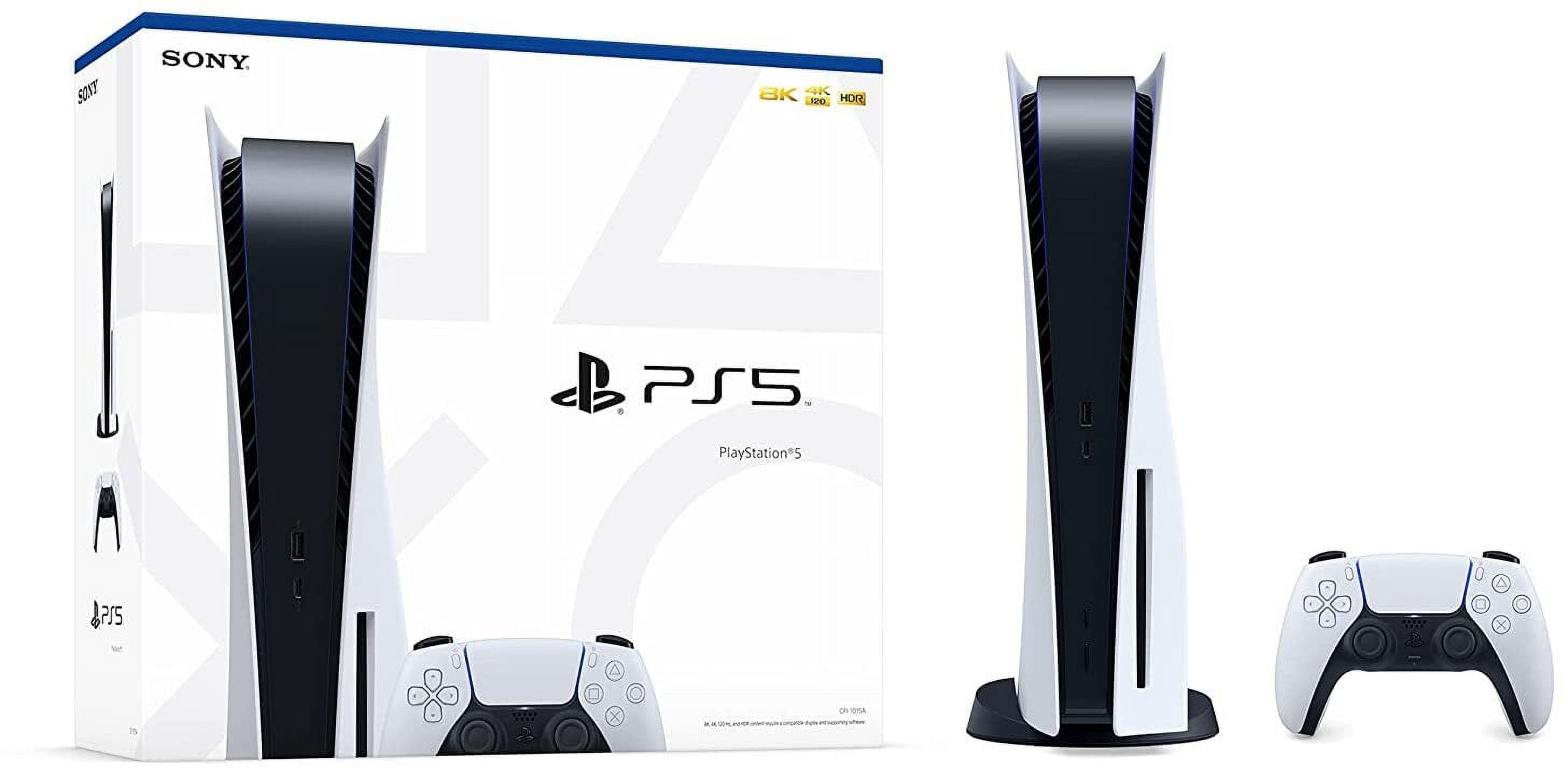
The initial outlay for your primary gaming device can vary wildly. For consoles, a new PlayStation 5 or Xbox Series X typically costs around 499 to 549 USD. These offer a fantastic plug-and-play experience with strong performance for current-gen titles. If you prefer handheld or hybrid gaming, a Nintendo Switch costs around 299 to 349 USD.
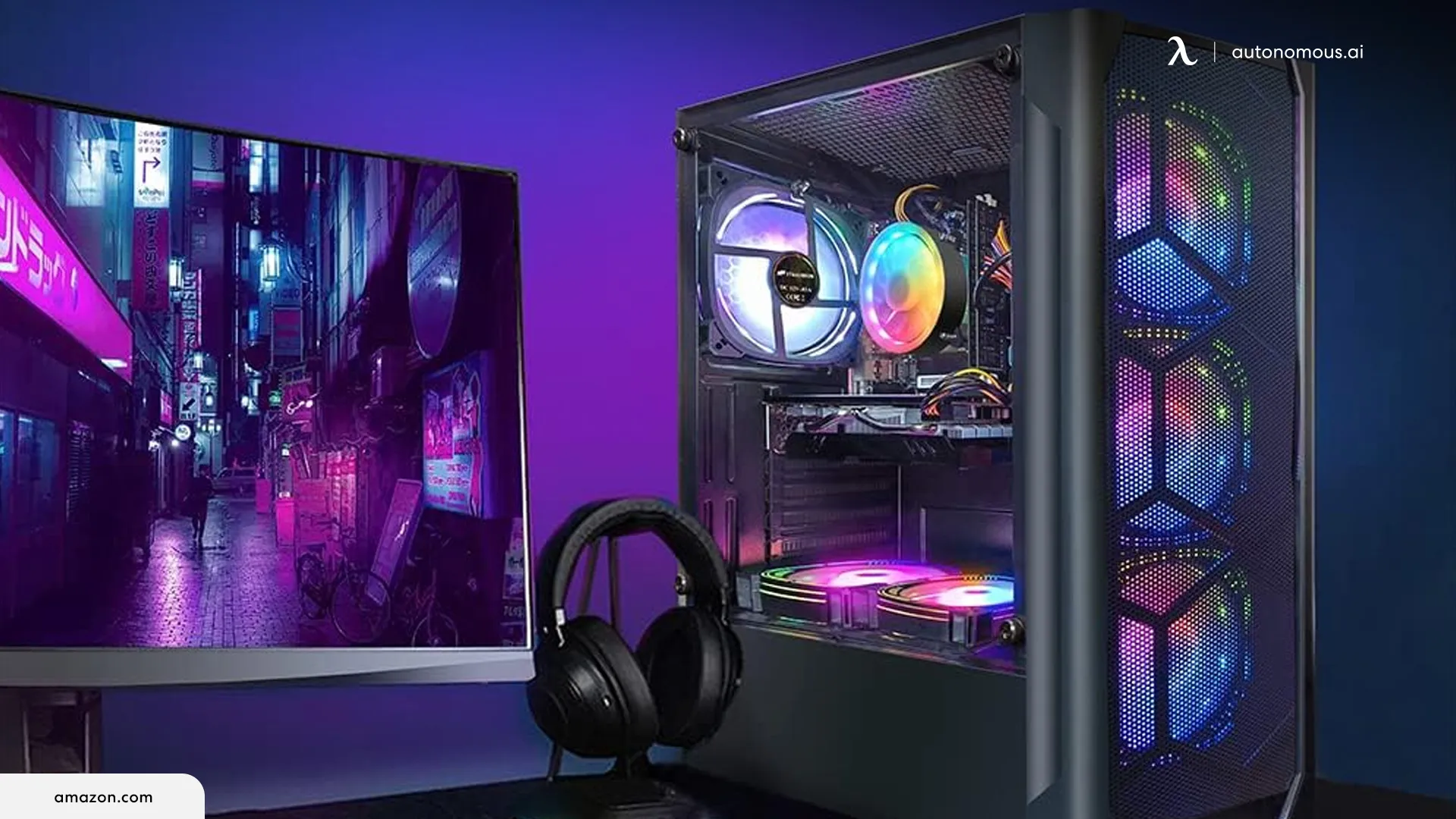
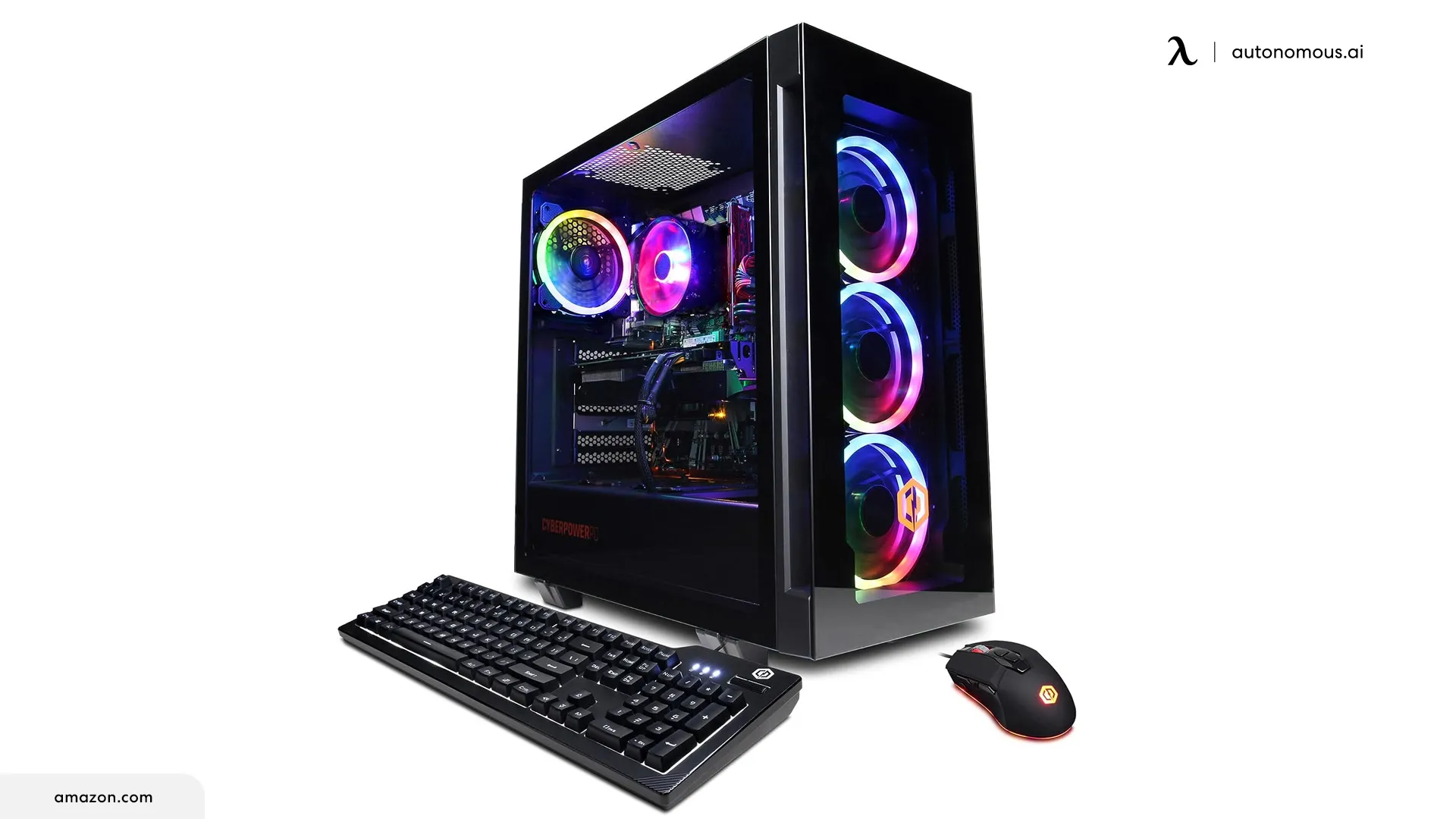
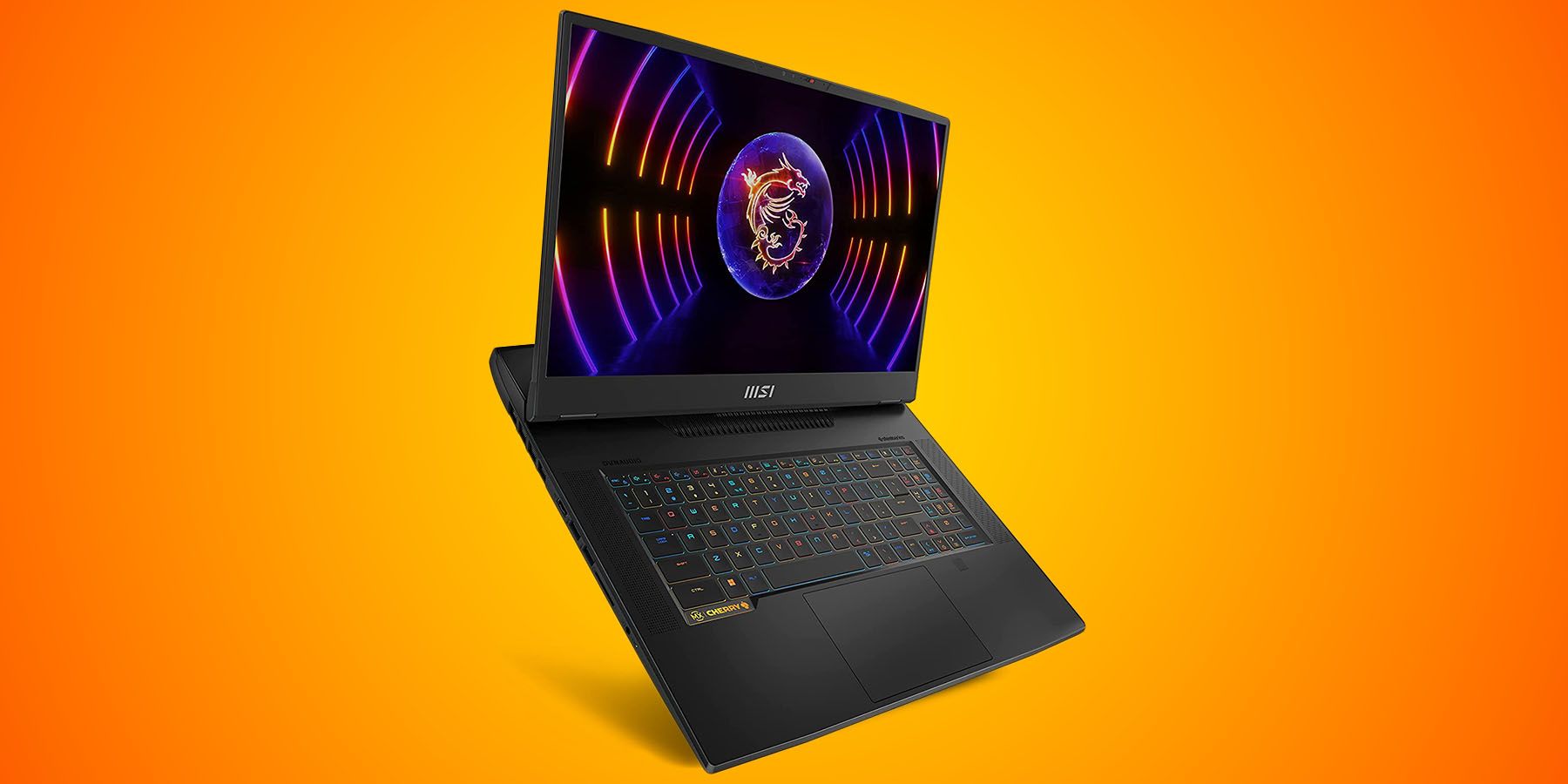
PC gaming, while offering unparalleled flexibility and performance, generally demands a higher initial investment. A decent entry-level gaming PC capable of running most modern games at 1080p resolution might start from 800 to 1,200 USD. For a mid-range system that balances performance with value, expect to pay between 1,500 and 2,500 USD. High-end rigs, favored by enthusiasts or those looking to stream, can easily exceed 3,000 USD. Remember, these prices often don't include a monitor, keyboard, or mouse, which add another 200 to 500 USD.
Are gaming subscriptions like Game Pass or PS Plus worth the money?
For many gamers, especially those with limited time who want to explore a wide variety of titles without individual purchases, gaming subscription services are an absolute game-changer. Xbox Game Pass (and its PC equivalent) offers hundreds of games, including new first-party titles on day one, for about 10 to 17 USD per month, depending on the tier. PlayStation Plus offers a similar model with different tiers, providing access to a catalog of games, online multiplayer, and monthly free titles, ranging from 10 to 16 USD monthly.
Considering the average price of a new AAA game at 60 to 70 USD, getting access to dozens or even hundreds of games for a fraction of that cost is incredibly compelling. These services are particularly beneficial for busy adults who might not have time to commit to one long game but enjoy jumping between various experiences. They also provide excellent value for families, allowing multiple members to find something they enjoy.
How can I save money on new game purchases?
Full-price game purchases can quickly deplete your budget. Fortunately, there are many ways to be a savvy shopper in 2026. Waiting just a few months post-launch can often see a new AAA title drop in price by 20-50%. Digital storefronts like Steam, Epic Games Store, PlayStation Store, and Xbox Marketplace regularly hold sales, often tied to seasons or holidays, offering deep discounts.
Consider physical copies from retailers like GameStop or Amazon, which often have competitive pricing, especially for pre-owned games. Many online key resellers also offer legitimate discounts, though always exercise caution and research their reputation. Finally, don't overlook game bundles from sites like Humble Bundle, which offer collections of games at incredibly low prices, often for charity. Embracing these strategies means you can still play the games you want without always paying full price.
What about free-to-play games and their hidden costs?
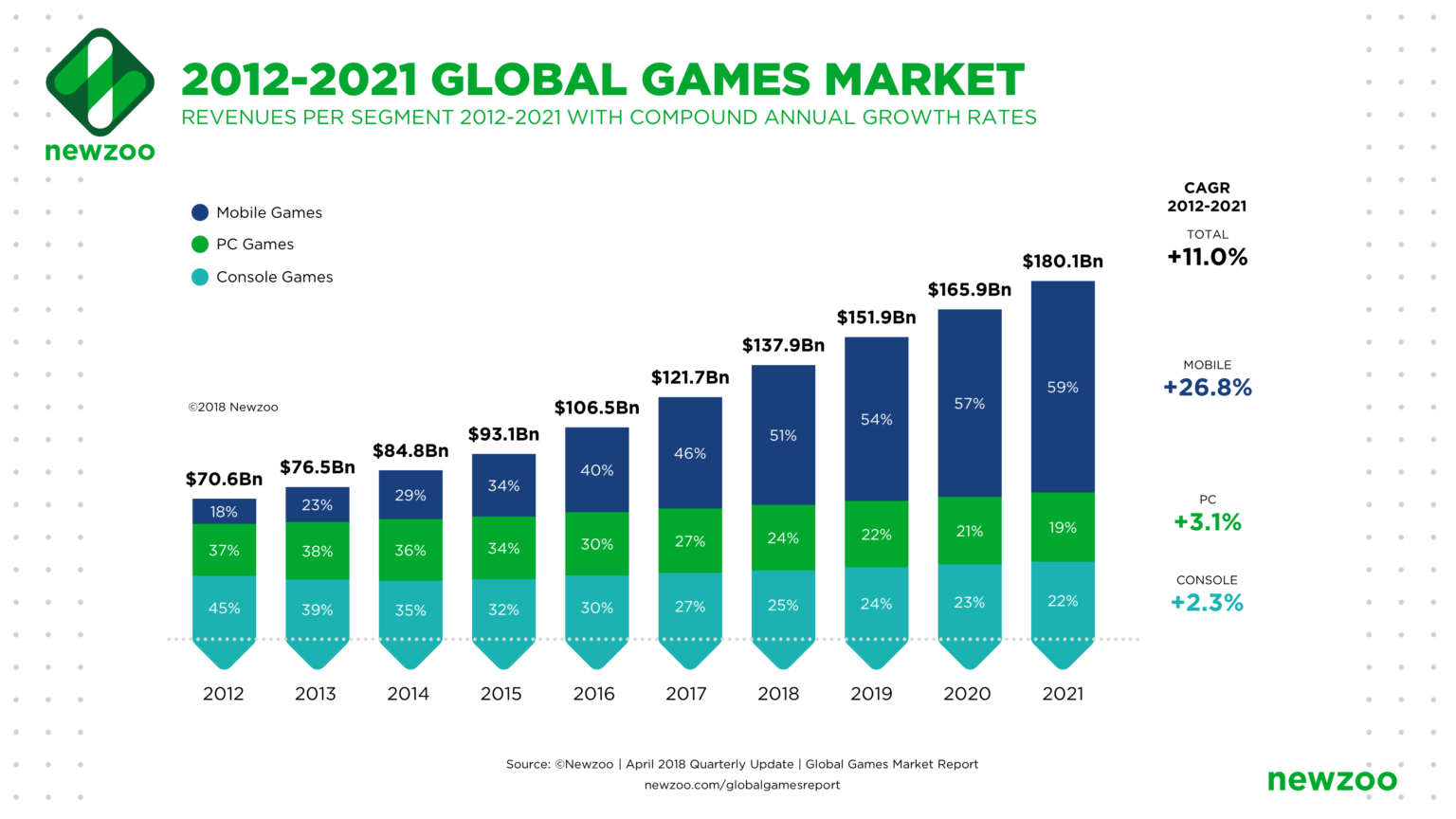
Free-to-play (F2P) games have become a dominant force in the gaming landscape, especially on mobile and PC, with titles like Fortnite, Apex Legends, Genshin Impact, and Call of Duty: Warzone attracting millions. They offer an enticing zero-cost entry point, which is great for trying new genres or socializing with friends on Discord without upfront commitment. However, 'free' often comes with caveats.
The revenue model for F2P games typically relies on in-game purchases. These can range from purely cosmetic items like skins and emotes to battle passes that unlock content as you play, or even 'pay-to-progress' elements that accelerate your advancement. While you can usually enjoy the core experience without spending a dime, the temptation to customize your character or gain an edge can lead to unexpected expenses. Set clear spending limits, especially if you find yourself drawn to these microtransactions, to ensure 'free' doesn't become surprisingly costly.
How do in-game purchases and microtransactions impact my budget?
In-game purchases and microtransactions are a significant part of the modern gaming economy. For many busy adults, these micro-spends can be a convenient way to unlock content, personalize their experience, or simply support developers. However, the cumulative effect can be substantial. A 5-dollar cosmetic here, a 10-dollar battle pass there, and suddenly you've spent more than the cost of a full-price game.
The key is mindful spending. Ask yourself if the purchase truly enhances your long-term enjoyment or if it's a fleeting gratification. For games you regularly play and enjoy, a battle pass or a few cosmetic items might be a worthwhile investment over several months. For games you're just dabbling in, it's often best to resist. Many titles are designed to make these purchases feel essential or enticing, so developing discipline is crucial for budget-conscious gamers.
Can I enjoy gaming on a budget without sacrificing fun?
Absolutely! Gaming on a budget in 2026 doesn't mean missing out on fun; it means being smart and strategic. Leverage the vast libraries of free-to-play games, many of which offer hundreds of hours of quality content. Explore subscription services for diverse experiences. Embrace indie games, which often provide innovative gameplay and compelling stories for a fraction of AAA prices.
Consider older console generations or used hardware for significant savings, as many classic titles still offer immense enjoyment. PC gamers can look into upgrading individual components rather than buying an entirely new system. Focus on what truly brings you joy, whether it's competitive online play, immersive single-player stories, or casual social games with friends, and prioritize spending there. You can have a rich and fulfilling gaming life without constantly chasing the most expensive new releases or cutting-edge tech.
When is it time to upgrade my gaming gear, and how can I do it affordably?
The
Understanding initial hardware investment, navigating recurring subscription costs, smart strategies for game purchases, analyzing free-to-play hidden costs, balancing gaming expenses with life, optimizing for performance on a budget, and key tips for long-term savings in gaming.
35


How Much Is A Normal Gaming PC What Is The Cost . How Much For A PC Gaming Setup Cost Top 3 Gaming Laptops Of 2026 - The Ultimate Guide . How Much For A PC Gaming Setup Cost Budget Allocation 1 1024x576 . 10 Most Biased Wikipedia Articles 2026 How Much Does It Cost To Build A Gaming PC . How Much Is A Normal Gaming PC What Is The Cost HOW MUCH DOES A GOOD GAMING PC COST
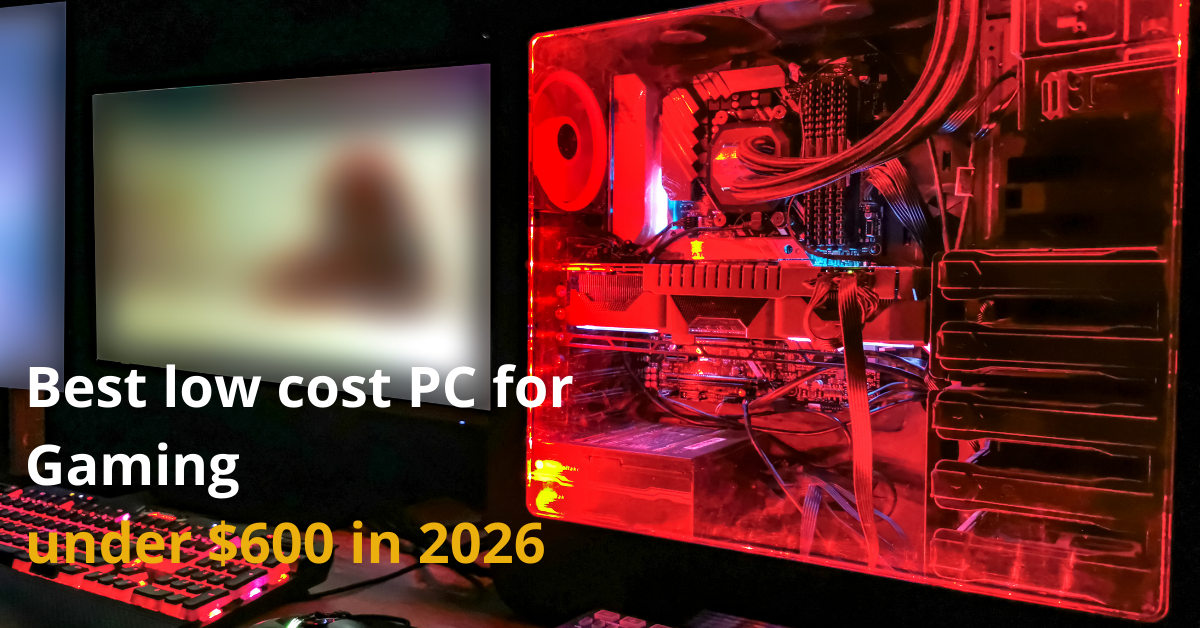
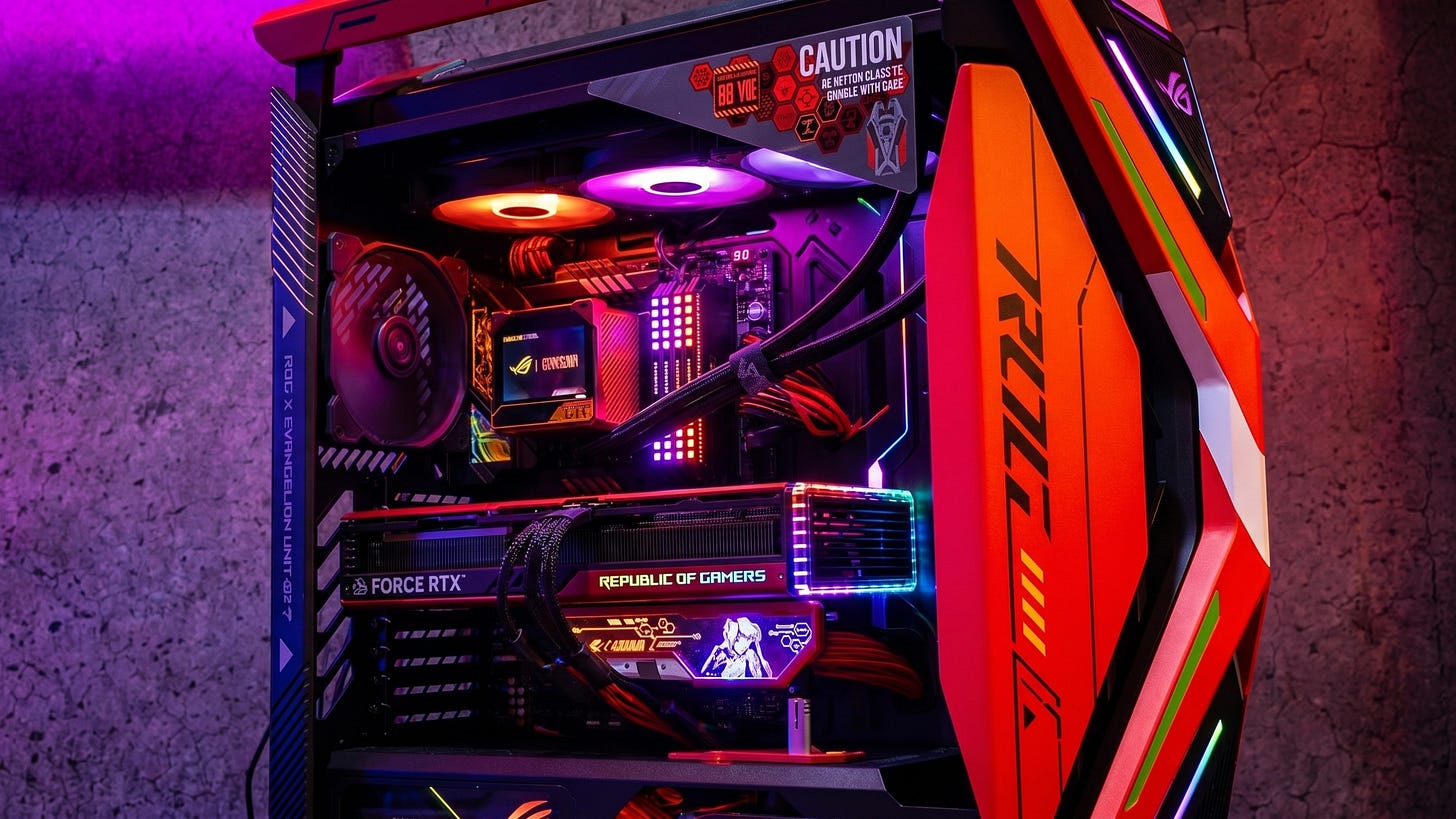
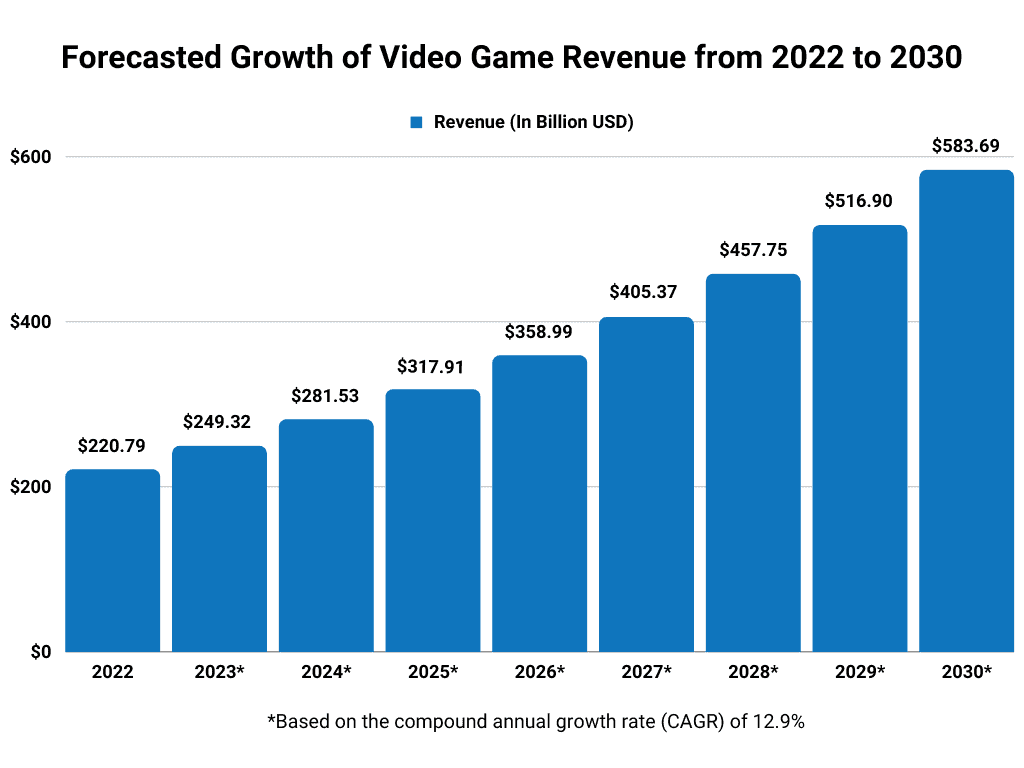

How Much Does It Cost To Build A Gaming PC In 2026 Full Budget Guide Low Cost PC For Gaming . How Much Does It Cost To Build A Gaming PC In 2026. Video Game Industry Revenue Market Share Apr 2023 S29 2 Forecasted Revenue . 15 Best Games Like Chess In 2026 How Much Does It Cost To Develop A Board Game In 2026.webp. The Price Of Being A Gamer How Much Money Do We Need To Spend To Build 1 IN Price Of Being A Gamer


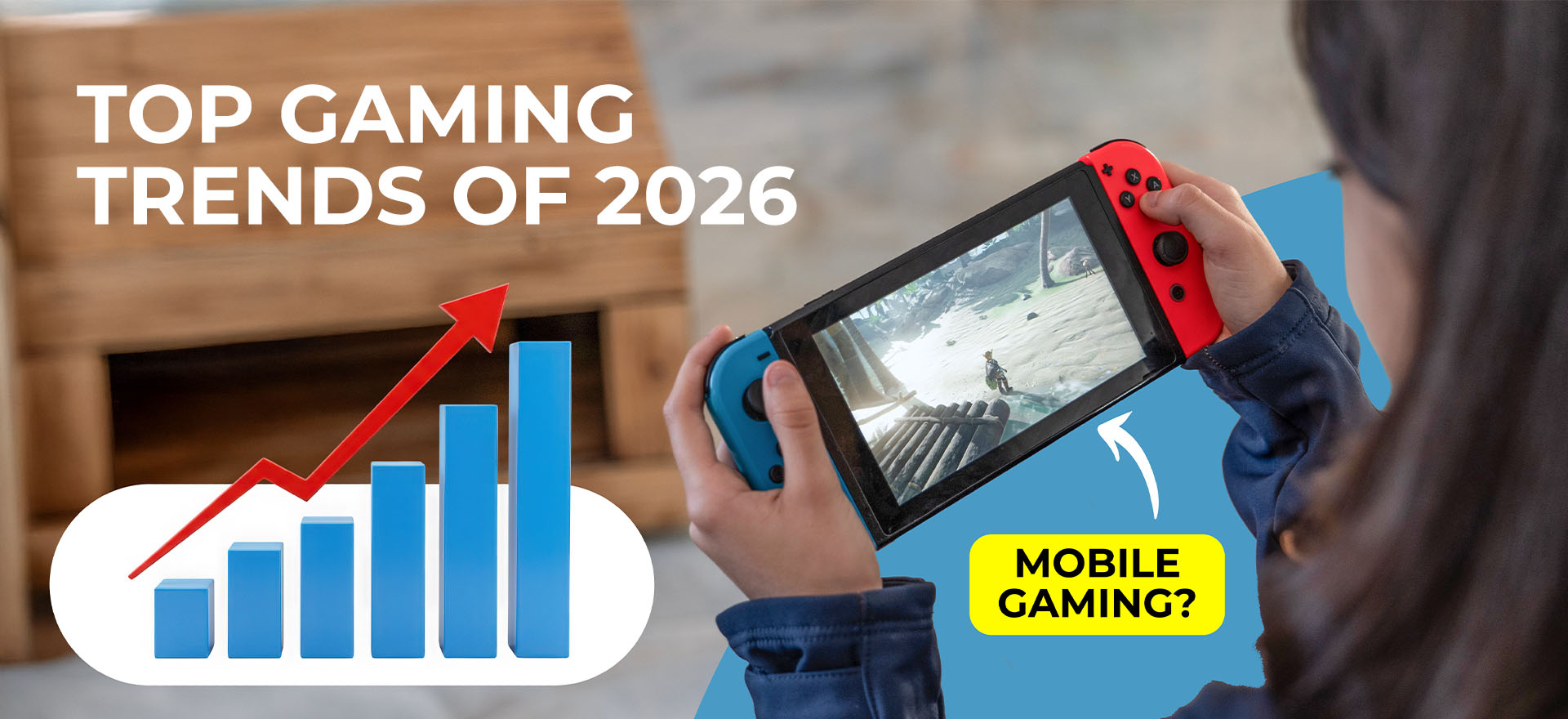
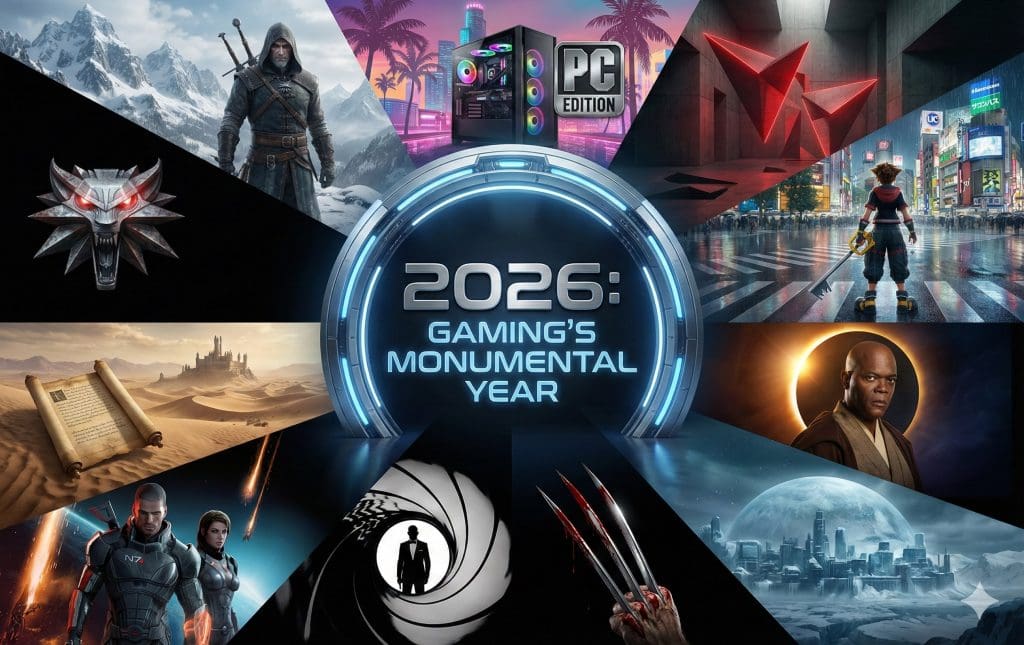

Gaming Industry Statistics And Revenue Data 2026 Icon Era Statistics Gaming Industry Revenue Statistics 2026 . How Much Does It Cost To Build A Gaming PC Kristoffer Thun Image 5 . Key Gaming Trends Of 2026 TREND . 10 Much Awaited Games Set To Launch In 2026 Games To Launch 2026 1024x645 . The Price Of Being A Gamer How Much Money Do We Need To Spend To Build 2 IN Price Of Being A Gamer Worldwide

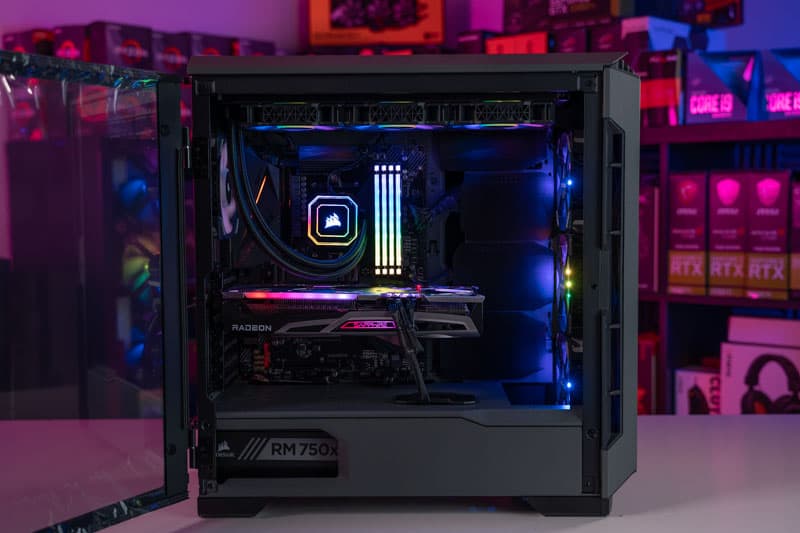

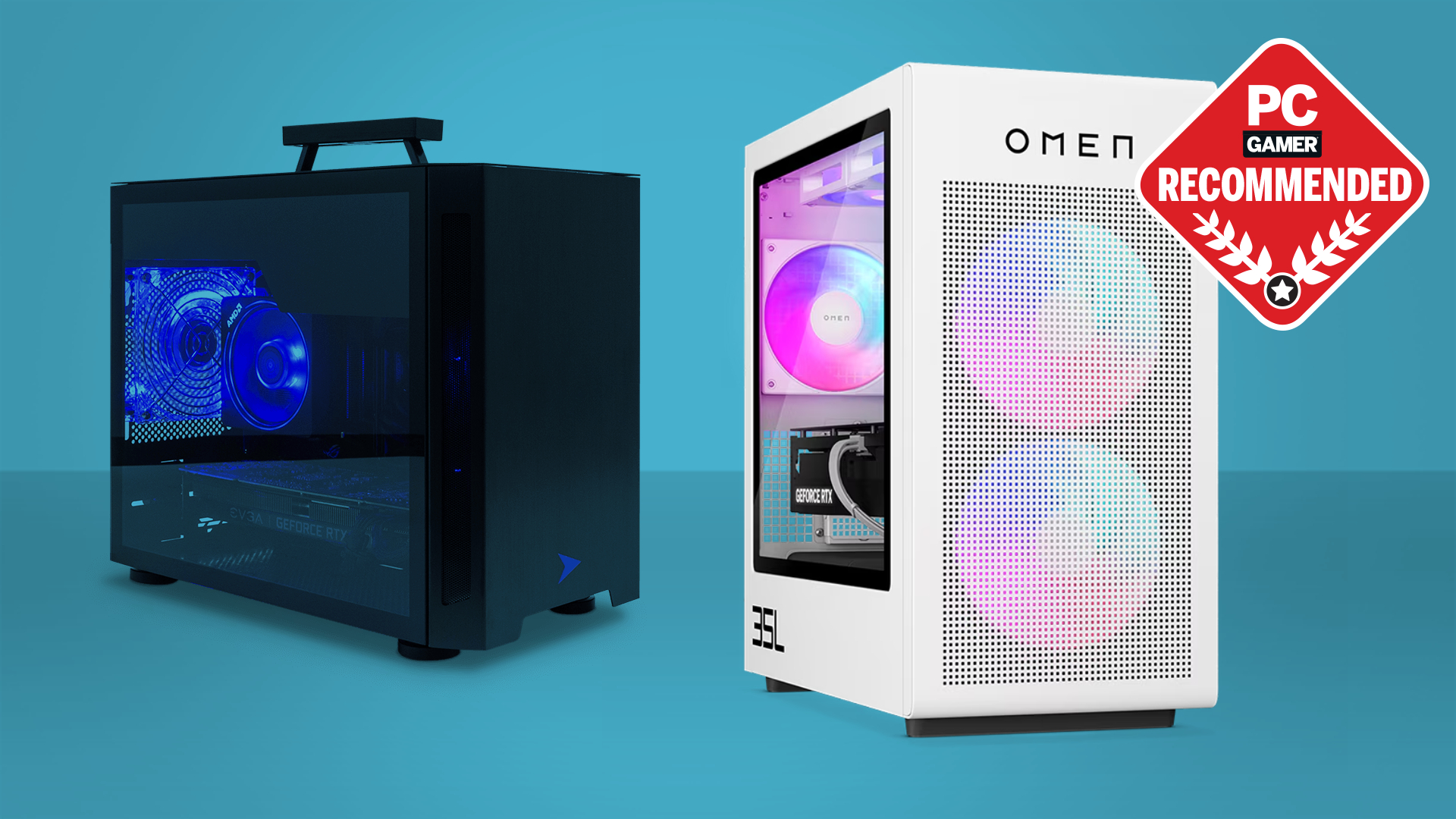
Want To Play PC Games What Should You Consider GAMES IN 2026 . How Much Does It Cost To Build A PC Gaming PC Costs Explained In 2026 How Much Does It Cost To Build A PC . How Much Is A Normal Gaming PC What Is The Cost . How Much Does A 4k Pc Cost Infoupdate Org . WoW Gaming Cost In 2026 Expansions Boost WoW Cost


How Much Does It Cost To Build A Gaming PC From 500 To 2 000 How Much Does It Cost To Build A Gaming PC Best Setups From 500 To 20006.webp. Best Laptops 2026 Top Picks For Every Budget Use Case Xthe Best Laptops 2026 Top Picks For Every Budget Use Case 750x350 . How Much Does It Cost To Develop A Gaming App. How Much Is A Normal Gaming PC What Is The Cost How Much Does It Cost To Build A Gaming PC Best Setups From 500 To 200011.webp. Chart Video Games Are Getting As Expensive As Movies Statista 2713



How Much For A PC Gaming Setup Cost Best Gaming Setup 2025 1068x610 . How Much Is A Normal Gaming PC What Is The Cost . FIFA World Cup 2026 Ticket Prices Complete Cost Breakdown 60 6 730 FIFA World Cup 2026 Ticket Prices 768x402 . Cost Effective Gaming Laptop How Much Does A Gaming Laptop Cost Msi Gt77 Titan Gamerant . How Much Do VR Games Cost 2026 Guide How Much Do VR Games Cost


Lyrid Meteor Shower 2026 How To Watch In Ireland Memesita Sony PlayStation 5 Gaming Console 02021359 C4bb 410e 940a . Best Gaming Laptops In 2026 Life Style Tech And Digital Whisk . Here S How Much You Truly Spend On Gaming Now PCMag 1.fit . Cost Online Game At Luis Silva Blog Chart 1024x576 . How To Reach The New Camp In Gothic 1 Remake How Much Does Acrobatics Cost Gothic 1 Remake