Ever wondered about the intricate mechanics powering your favorite digital worlds? This comprehensive guide on how to build a game engine unpacks the fascinating process for aspiring developers and curious gamers alike. Discover the essential components, recommended programming languages, and a step-by-step roadmap to bring your creative visions to life. We address common challenges like time management for busy adults, budget friendly resources, and how this skill can deepen your appreciation for the games you already enjoy. Dive into the world of game development and understand the foundational technology behind every thrilling adventure, strategic battle, and relaxing simulation. This informational resource is perfect for anyone looking to go beyond just playing games and truly understand their creation, offering practical advice and trending insights for a rewarding journey.
What are the essential programming concepts for game engine development?
To build a game engine effectively, you need a solid grasp of object-oriented programming (OOP) principles like inheritance, polymorphism, and encapsulation, which help manage complexity. Data structures such as arrays, linked lists, trees, and hash maps are crucial for efficient data storage and retrieval, from scene graphs to asset management. Algorithms for sorting, searching, and pathfinding are fundamental. Memory management (especially in C++) is vital for performance and preventing crashes. Finally, understanding multithreading can help in optimizing engine tasks, ensuring smooth performance. These core concepts form the bedrock upon which a robust engine is built.
How can I manage time effectively to build an engine while having a full-time job?
Balancing engine development with a full-time job and family life requires disciplined time management. The most effective strategy is to break down large tasks into small, manageable chunks that can be completed in short bursts of focused effort, perhaps 30-60 minutes at a time. Establish a consistent schedule, even if it's just a few hours on weekends or an hour after the kids are asleep. Prioritize learning over raw output; every hour spent understanding a concept is valuable. Don't aim for perfection early on; focus on getting a feature working, then iterate. Remember to take breaks to avoid burnout, and celebrate small victories to maintain motivation. Incremental progress is the key to long-term success for busy individuals.
What's the difference between a 2D and 3D game engine, and which is easier to build?
The fundamental difference lies in how they handle rendering and coordinate systems. A 2D engine operates on a flat, two-dimensional plane (X and Y coordinates) and typically uses sprites for graphics. A 3D engine, conversely, works with three dimensions (X, Y, and Z coordinates) and renders polygons and meshes in a perspective projection. Building a 2D game engine is generally significantly easier to start with. The mathematical complexities for rendering, physics, and scene management are greatly reduced compared to 3D, allowing you to grasp core engine concepts faster without getting bogged down in advanced linear algebra or complex graphics pipelines. It's an excellent stepping stone before tackling the intricacies of 3D development.
How important is version control (e.g., Git) when building a game engine?
Version control, especially using Git, is absolutely paramount when building a game engine, regardless of whether you're working solo or with a team. It allows you to track every change made to your codebase, easily revert to previous versions if something breaks, and experiment with new features without fear of permanently damaging your project. For busy individuals, it also provides peace of mind, knowing your progress is saved and recoverable. Learning Git is a fundamental skill for any software developer and will prevent countless headaches, saving you valuable time and frustration in the long run. Never underestimate its importance for project stability and collaborative potential.
Can I integrate existing libraries into my custom game engine, and if so, which ones?
Yes, integrating existing libraries is a smart and common practice when building a game engine; you don't have to reinvent every wheel. For graphics, OpenGL or DirectX are essential. For window creation and input handling, libraries like SDL (Simple DirectMedia Layer) or GLFW are widely used. For physics, libraries such as Bullet Physics or Box2D (for 2D) can save you immense development time. For audio, OpenAL or FMOD are popular choices. Even for utility functions, libraries like GLM (OpenGL Mathematics) simplify vector and matrix operations. Integrating these battle-tested components allows you to focus your efforts on the unique aspects of your engine and game, significantly accelerating development and ensuring reliability for specific functionalities.
What kind of hardware specifications are ideal for game engine development?
For game engine development, particularly if you're dealing with 3D graphics, a robust system is highly beneficial. Aim for a multi-core processor (Intel i5/Ryzen 5 or better), as compiling code and running simulations can be CPU-intensive. A dedicated graphics card (NVIDIA RTX/AMD RX series) with at least 8GB of VRAM is crucial for rendering performance and testing. Plenty of RAM (16GB minimum, 32GB recommended) helps with juggling large projects, asset loading, and running multiple applications simultaneously. Lastly, a fast SSD is essential for quick load times of development tools and project files. While you can start with less, these specs will provide a smoother and more efficient development experience, preventing performance bottlenecks.
How can I test my game engine effectively during development?
Effective testing is critical to ensure your game engine is stable and performs as expected. Start by implementing unit tests for individual components and functions (e.g., a math library, a rendering utility). Integrate a simple debugging system, allowing you to print messages or draw debug visuals within your engine. Create small test scenes or mini-games that specifically stress-test different features, such as physics interactions, rendering pipelines, or input handling. Regularly profile your engine to identify performance bottlenecks, using tools provided by your IDE or operating system. Continuous integration can automate testing, running checks every time you commit new code. Early and frequent testing catches bugs before they become major issues, saving you significant time and effort in the long run.
Are you one of the millions of US gamers, perhaps averaging over 10 hours a week, who finds joy and relaxation in the digital realms, balancing gaming with work and family? Maybe you have paused during an epic adventure or a cozy co-op session and thought, 'How does this all work? What makes this game tick?' For many of us, the magic of gaming is in the experience, but there's a growing fascination with the craft behind it. In fact, roughly 87% of US gamers play regularly, and a significant portion are curious about the mechanics underpinning their beloved hobby. This guide isn't just for aspiring professional developers; it's for the curious gamer, the hobbyist, the tinkerer who wants to peel back the layers and understand the foundational technology that powers every pixel and every intricate interaction. If you've ever dreamt of creating your own virtual worlds, or simply want to gain a deeper appreciation for game design and performance, understanding how to build a game engine from scratch is an incredibly rewarding journey. It's about empowering yourself with knowledge, fostering creativity, and perhaps even finding a new passion that enhances your gaming life in unexpected ways. We'll break down this complex topic into manageable, actionable steps, showing you that even with a busy schedule, this rewarding endeavor is entirely within your reach.
Building a game engine can seem like a monumental task, but it’s essentially about assembling a collection of specialized tools and systems that work together to bring a game to life. Think of it as constructing the ultimate workshop before you build your masterpiece. This deep dive will offer practical solutions to common hurdles, from choosing the right tools to managing your time effectively, ensuring you can tackle this project without letting it overwhelm your existing commitments. Let's embark on this exciting journey together, demystifying the process of building a game engine and unlocking your creative potential.
Why Would I Want to Build My Own Game Engine?
Many gamers, especially those balancing jobs and family, might wonder why they should invest time in building a game engine when so many powerful commercial options exist. The primary reason is unparalleled creative control and a profound understanding of game mechanics. When you build an engine, you dictate every aspect, from rendering pipelines to physics simulations, allowing for truly unique game experiences tailored precisely to your vision. This contrasts sharply with off-the-shelf engines, which often impose certain architectural decisions or licensing restrictions. Furthermore, the process itself is an incredible learning experience. You'll gain deep insights into graphics programming, software architecture, performance optimization, and various computational challenges. This knowledge not only enhances your appreciation for games you play but also equips you with highly valuable skills applicable in various tech industries, making you a more versatile and capable developer.
What are the Core Components I Need to Consider for a Game Engine?
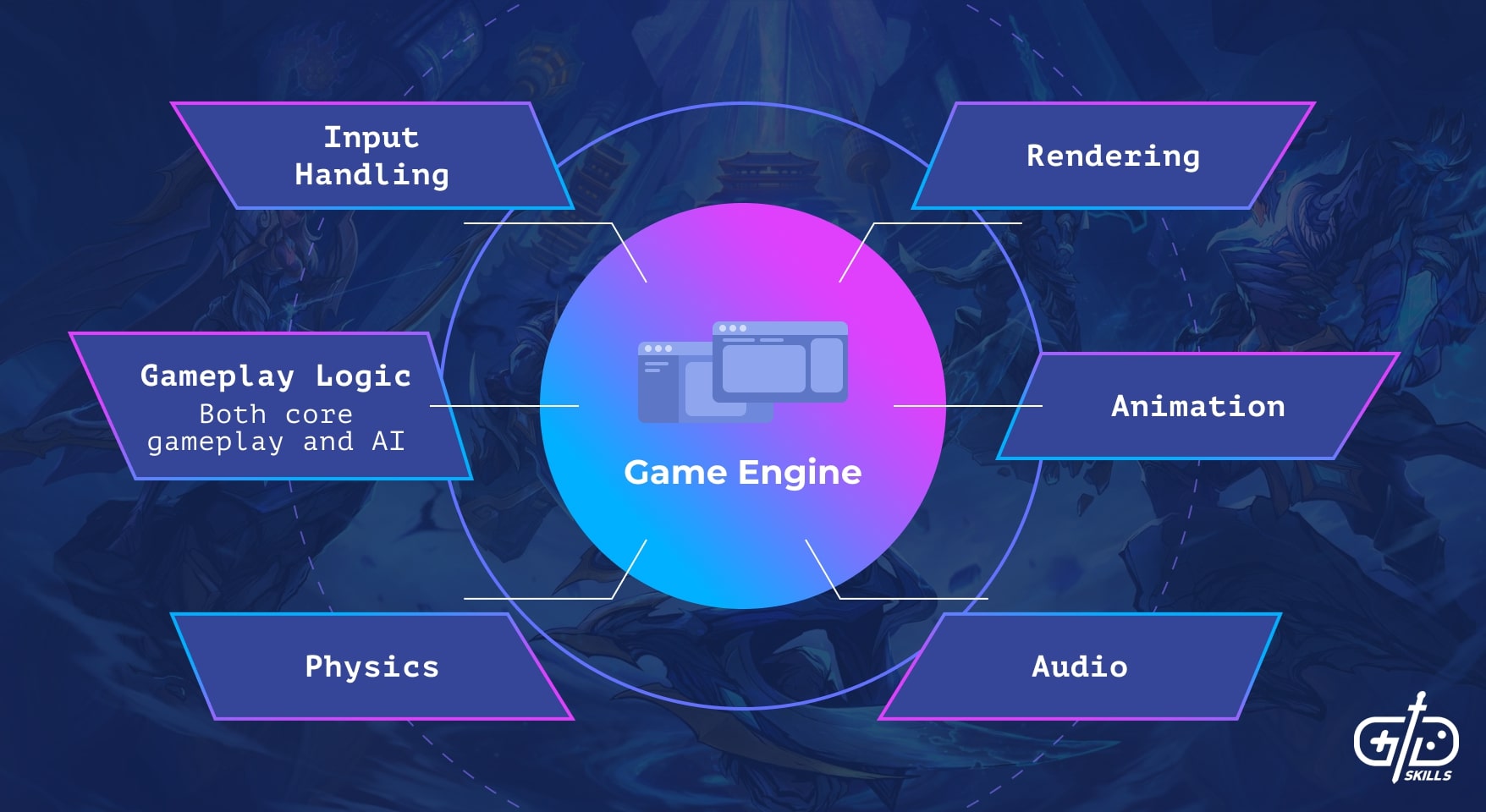
A game engine is a complex piece of software, but it can be broken down into several fundamental components. The most critical is the Rendering System, responsible for drawing everything you see on screen, from 3D models and textures to user interfaces. Next, the Physics Engine handles how objects interact in a realistic manner, simulating gravity, collisions, and forces. An Audio System is essential for sound effects and music, immersing the player in the game world. Input processing manages player interactions via keyboard, mouse, gamepad, or touch. Asset management handles loading and organizing game data like models, textures, and sounds. Finally, a scripting system (like Lua or C#) allows game designers to define game logic without recompiling the entire engine. Each component is a miniature project in itself, offering distinct learning opportunities.
What Programming Languages and Tools are Best for Building a Game Engine?
For high-performance game engines, C++ is the undisputed king. Its low-level memory control and efficiency are crucial for tasks like graphics rendering and physics calculations. Many professional engines, including Unreal Engine, are built predominantly in C++. Complementing C++, you'll often use graphics APIs like OpenGL or DirectX for rendering, and libraries such as SDL or GLFW for window creation and input handling. For scripting game logic, languages like Lua, Python, or even a custom C# scripting layer can be integrated, providing flexibility for designers. An Integrated Development Environment (IDE) like Visual Studio (for Windows) or CLion/VS Code (cross-platform) will be your primary workspace, offering powerful debugging and code management features. Choosing these tools wisely sets a strong foundation for your engine's capabilities and your development workflow.
Can a Busy Gamer with a Job and Family Really Build a Game Engine?
Absolutely, but it requires strategic planning and realistic expectations. The average gamer, around 36 years old and balancing numerous responsibilities, can't dedicate 40+ hours a week to engine development. The key is to start small, set achievable milestones, and utilize consistent, focused bursts of effort. Instead of trying to build an entire AAA-level engine from day one, focus on one component at a time, like getting a simple window to render a single shape. Leverage weekends, evenings, or even just 30-minute slots whenever possible. Join online communities and open-source projects; contributing to an existing engine can be a fantastic learning experience without the pressure of starting entirely from scratch. Remember, it's a marathon, not a sprint. Celebrate small victories and view the process as a hobby that enriches your personal growth, much like mastering a new game.
How Do I Start Building a Simple Game Engine from Scratch?
Beginning your game engine journey involves a few foundational steps to establish a working framework. First, set up your development environment with C++ and a suitable IDE. Next, create a basic window using a library like SDL or GLFW; this is your engine's canvas. Once you have a window, move on to rendering your first primitive shape, typically a colored triangle, using a graphics API like OpenGL or DirectX. This involves understanding shaders and buffer objects. After successfully rendering, integrate basic input handling to detect keyboard presses or mouse movements. As you progress, consider adding a simple game loop that updates game state and renders frames repeatedly. Break down each step into tiny, manageable tasks. There are countless online tutorials and beginner-friendly libraries like Raylib that can help you get started quickly, providing a clear roadmap for early success.
What are Common Pitfalls and How Can I Avoid Them During Engine Development?
Building a game engine is fraught with challenges, but awareness can help you steer clear of major setbacks. One common pitfall is Scope Creep: trying to implement every feature imaginable too early. Start with the bare minimum viable engine and add features incrementally. Another issue is Burnout, especially for busy individuals. Break down tasks, take regular breaks, and switch between different engine components to keep things fresh. Don't get bogged down in complex mathematical concepts initially; focus on understanding the fundamentals first, then delve into advanced topics. Many beginners also make the mistake of not version controlling their code; use Git from day one. Finally, don't be afraid to consult existing open-source engines or frameworks for inspiration and best practices. Learning from others' solutions can save you immense time and frustration.
Are There Any Budget-Friendly Resources or Open-Source Engines to Learn From?
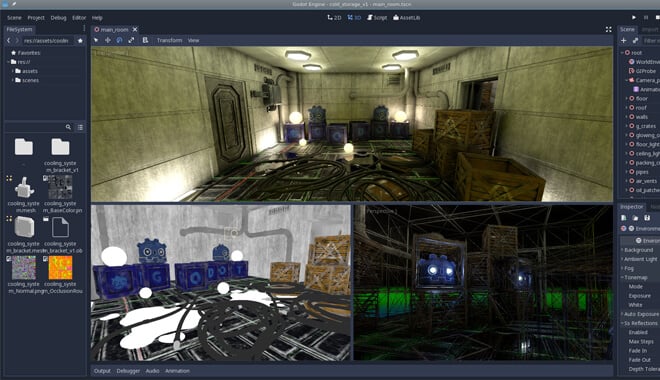
Absolutely! The game development community is incredibly generous with free and open-source resources, making learning how to build a game engine accessible even on a tight budget. For learning C++ and graphics programming, platforms like learnopengl.com and The Cherno's YouTube channel offer comprehensive, free tutorials. For hands-on experience, explore existing open-source game engines like Godot Engine (though a full engine, its source code is invaluable for learning), Ogre3D (a powerful rendering engine), or minimalist libraries like Raylib, which provides excellent examples for basic rendering and input. Many academic institutions offer free online courses (MOOCs) on computer graphics and software engineering. Engaging with communities on Reddit (r/gamedev, r/opengl) or Discord can provide free mentorship and problem-solving assistance. These resources ensure your learning journey doesn't break the bank.
How Does Building an Engine Improve My Gaming Experience and Appreciation?
Building a game engine profoundly deepens your appreciation for the games you already love. You start to see beyond the glossy surface, recognizing the intricate systems at play. When you encounter a beautifully rendered scene, you'll understand the complexities of the rendering pipeline, the shader programming, and the optimization techniques involved. A smooth physics interaction will highlight the careful calculations in the physics engine. Performance issues in a new title will become more understandable, as you'll recognize the potential bottlenecks developers face. This newfound knowledge empowers you not just as a player but as a discerning critic and informed consumer. It transforms passive entertainment into an active analytical experience, making your gaming hobby even richer and more engaging. It also gives you a unique perspective, potentially inspiring you to contribute to modding communities or even develop your own small games using commercial engines later on.
What's the Difference Between a Game Engine and a Game Framework?
While often used interchangeably, there's a key distinction. A Game Engine is a comprehensive suite of tools and functionalities designed to handle almost every aspect of game development, from rendering and physics to AI and asset management. Think Unreal Engine or Unity. A Game Framework, on the other hand, provides a basic structure or a set of libraries for specific tasks, offering more flexibility but requiring more manual coding for other functionalities. Examples include SDL, SFML, or Monogame. When you're building a game engine, you're essentially creating your own comprehensive suite, whereas using a framework means you're building *on top* of a foundational library, often for smaller, more specialized games or learning purposes. Understanding this difference helps in setting realistic goals for your personal project.
What is the Role of a Renderer in a Game Engine?
The renderer is the visual powerhouse of a game engine. It's responsible for taking all the game's data, like 3D models, textures, lights, and cameras, and converting them into a 2D image that gets displayed on your screen. This involves complex processes such as rasterization, shading, lighting calculations, and post-processing effects to create the immersive graphics we see in modern games. Without a functioning renderer, a game engine would merely be a collection of abstract calculations.
Is a Strong Math Background Required to Build a Game Engine?
While advanced mathematics like linear algebra, calculus, and trigonometry are incredibly useful and eventually necessary for sophisticated engine features (especially in graphics and physics), you do not need to be a math genius to *start* building a game engine. Basic algebra and geometry are sufficient for initial steps like rendering simple shapes and handling basic transformations. You can learn more advanced math concepts incrementally as you need them, often with the help of online tutorials and resources specifically tailored for game development. Don't let perceived math limitations deter you from starting.
How Long Does It Take to Build a Basic Game Engine?
The time it takes to build a basic game engine varies wildly depending on your experience, the features you want to include, and your available time. For a busy individual learning from scratch, getting a very simple rendering and input loop working might take several weeks to a few months of consistent effort. Developing a truly functional engine with more robust features like asset loading, basic physics, and a UI system could easily extend to a year or more. The key is to view it as an ongoing learning project rather than a short-term sprint, enjoying the continuous progress and skill acquisition.
Can I Use a Game Engine I Build to Make Commercial Games?
Absolutely! If you build your own game engine, you have complete ownership and control, meaning you can use it for commercial projects without licensing fees or royalties to a third-party engine provider. However, developing a commercial-grade engine requires immense effort, robust error handling, extensive features, and rigorous testing, far beyond what a hobbyist might initially build. Many independent developers find it more efficient to use established commercial engines like Unity or Unreal for their projects due to their extensive toolsets and community support. Building your own engine for commercial use is a challenging but ultimately rewarding path for those committed to full customization.
Building your own game engine is an ambitious but incredibly rewarding journey that offers deep insights into the technology powering our favorite pastimes. It's a testament to your passion, creativity, and problem-solving skills, enhancing your appreciation for gaming and empowering you to bring your unique visions to life. It's not just about coding; it's about understanding, creating, and connecting with the very essence of digital entertainment. What's your biggest gaming challenge or creative ambition? Comment below and share your thoughts!
Understand core game engine components, learn necessary programming skills, master project management for busy schedules, discover open source resources, troubleshoot common development pitfalls, appreciate games on a deeper level, explore career pathways in game development.
35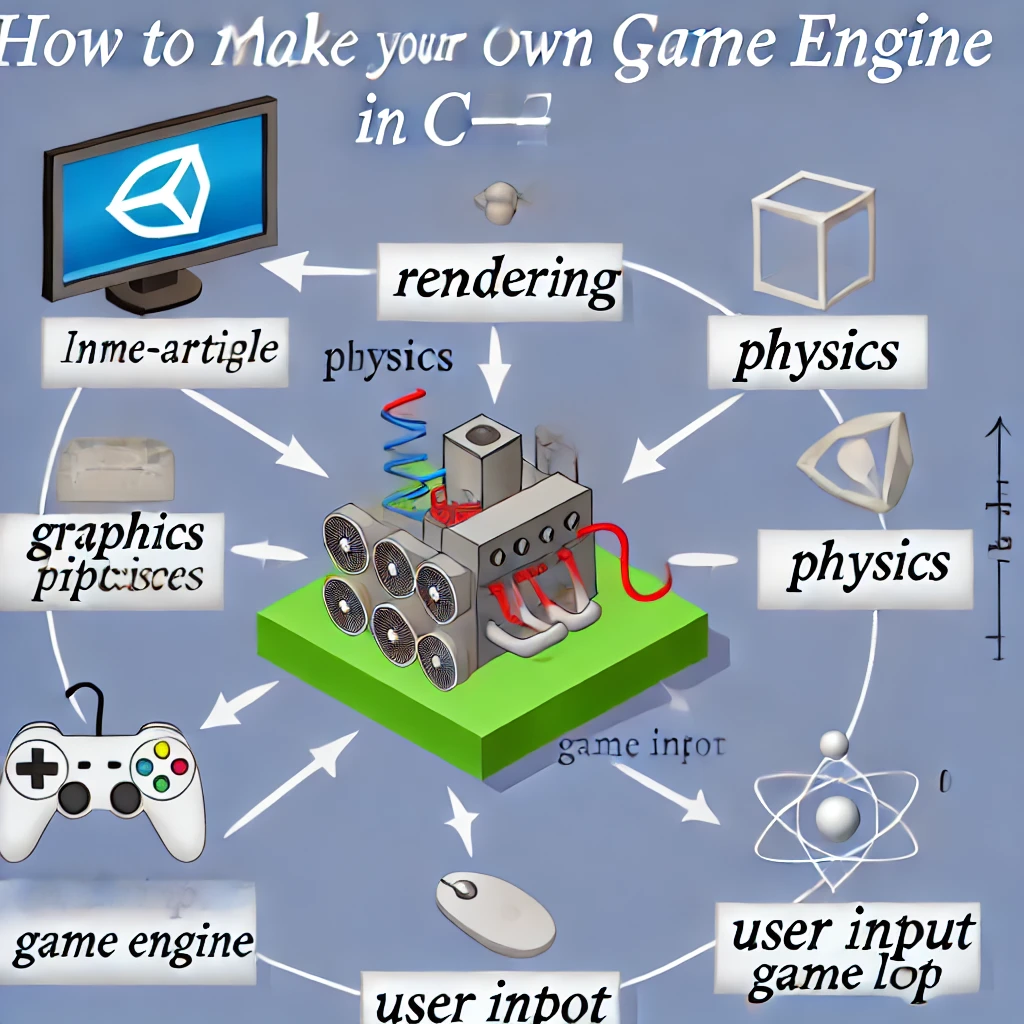

Build Your Own Game Engine From Scratch Full Step By Step Guide Free Game Engine Components Diagram .webp. Best Game Engines In 2026 The Complete Guide For Beginners And Studios Best Game Engines In 2026 . Top 10 Best Game Engines 2026 For Fast Development Quick Comparison Table Of The Best Game Engines . Best Game Engines For Beginner Game Developers In 2023 Image13 . The Best Game Engines You Should Consider For 2026 Best Game Engine 2026 1536x864
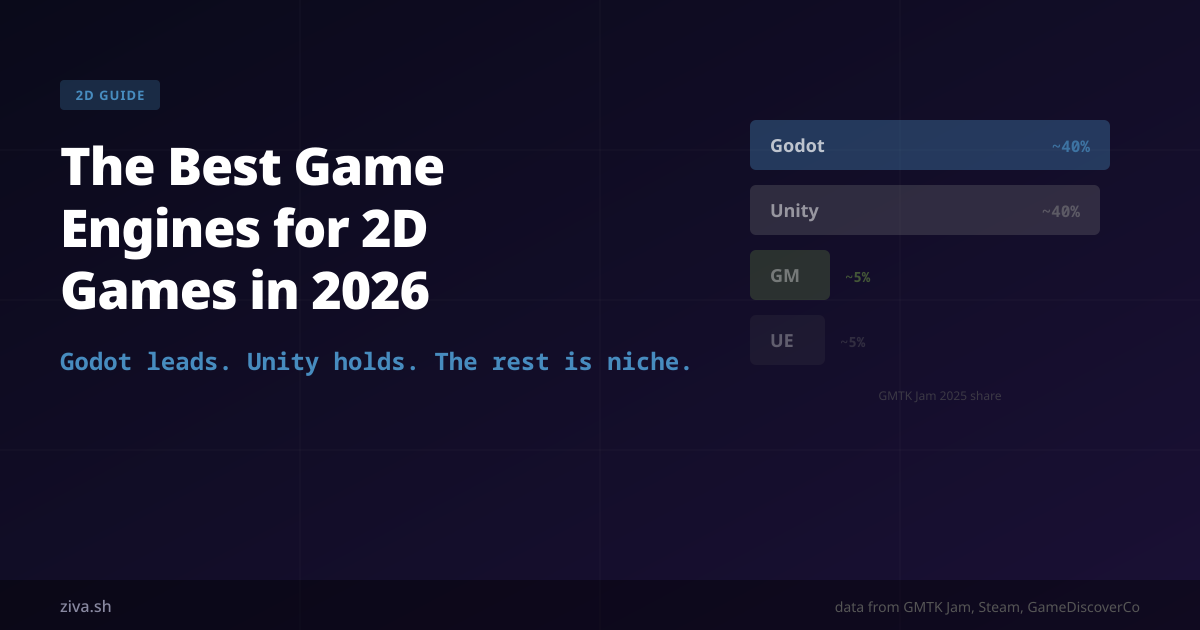


The Best Game Engines For 2D Games In 2026 Ziva Best 2d Game Engines . Top 5 No Code Game Engines For Beginners 2025 RC Blog How To Make A Game As A Beginner 2025 A Step By Step Guide. Best Game Engines For 2D Games In 2026 1 1 Scaled.webp. Best C Game Engines In 2026 Performance Features Use Cases Best C Game Engines In 2026 . How To Make A Game Engine The Easy Way What Is The Best Game Engine
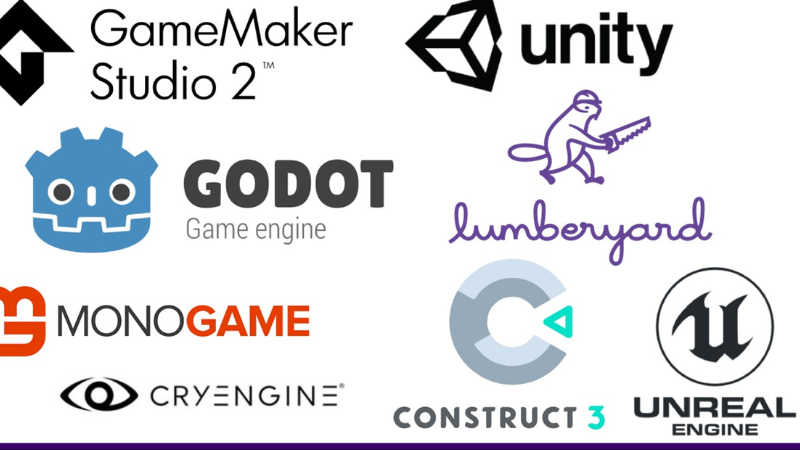

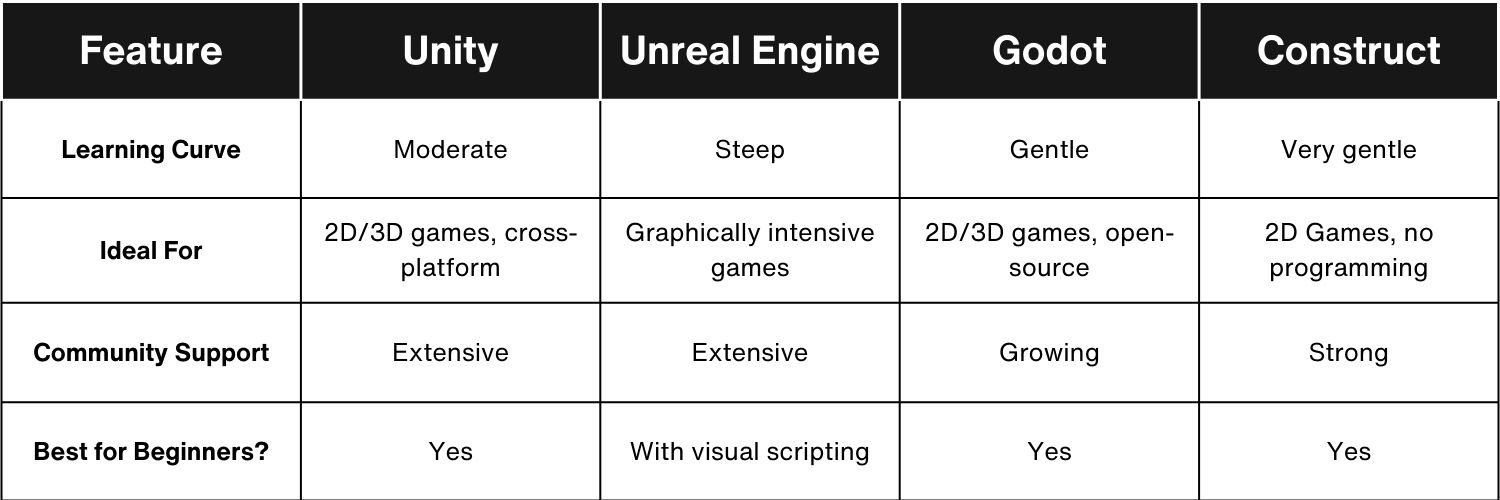
The Best Gaming Engines For 2026 Picture1 . Top 10 Game Engines In 2026 Features Pros Cons Comparison Image 267 . Best Game Engines In 2026 The Complete Guide For Beginners And Studios Game Engines 2026 . Build A Game Engine In C Step By Step Guide Medium M93jo71GA . What Is The Best Game Engine For Beginners In 2026 ACC Game Engine Table 1
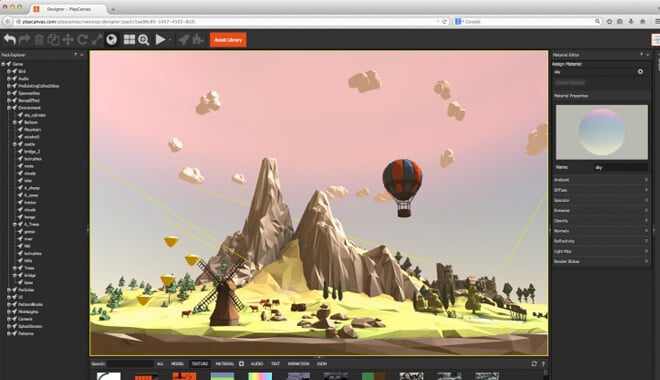

How To Make A Game Engine The Easy Way How To Build Your Video Game Engine . Best Game Engines 2026 Unity Unreal Godot Compared Hyper3D Blog 97 Best Game Engines.md . How To Make A Game Engine Step By Step How To Make Your Own Game Engine 300x173 . How To Make A Game Engine Step By Step Cons Of Creating A Game Engine 300x173 . How To Build A Game Engine Step By Step Guide For 2025 Building A Game Engine From Scratch Key Steps Pitfalls 150x150


Best HTML5 Game Engines For Developers 2026 Guide Best Html5 Game Engines 2026.webp. TOP GAME ENGINES FOR BEGINNER How To Make A Game YouTube . How To Make A Game Engine The Easy Way How To Create Video Game Engine . How To Make An IPhone Game Step By Step Guide For 2026 How To Make An IPhone Game The Complete 2026 Guide.webp. How To Make A Game Engine YouTube

Why I Chose A Custom Game Engine In 2026 YouTube . 10 Best Game Development Engines For New Developers In 2026 Techneeds Gjkozndp Start At The Center With Cry Engine Then Follow The Branches To See Its Features Challenges Community Support And Examples Of Successful Games Each Branch Represents A Different Aspect Of What Makes Cry Engine A Powerful Tool For. Top 10 Best Game Engines 2026 For Fast Development How To Choose The Best Game Engine For Your Project 768x439 . Best Game Engines For Beginner Game Developers In 2023 Image20 . 5 Best Game Engines For Beginners In 2026 Mentionable 1769493666 768x419




How To Make A Game As A Beginner A Guide 2025 RC Blog Top 5 No Code Game Engines For Beginners 2025. TO VIDEO GAME ENGINE DEVELOPMENT 84088f . Top 10 Best Game Engines 2026 For Fast Development Why Choosing The Right Game Engine Matters In 2025 768x439 . How To Make A Game Engine With Pictures WikiHow Aid4405482 V4 728px Make A Game Engine Step 17 . A Guide To 3D Game Development For Beginners How To Choose The Right Game Engine For 3D Game Development 2048x1375